
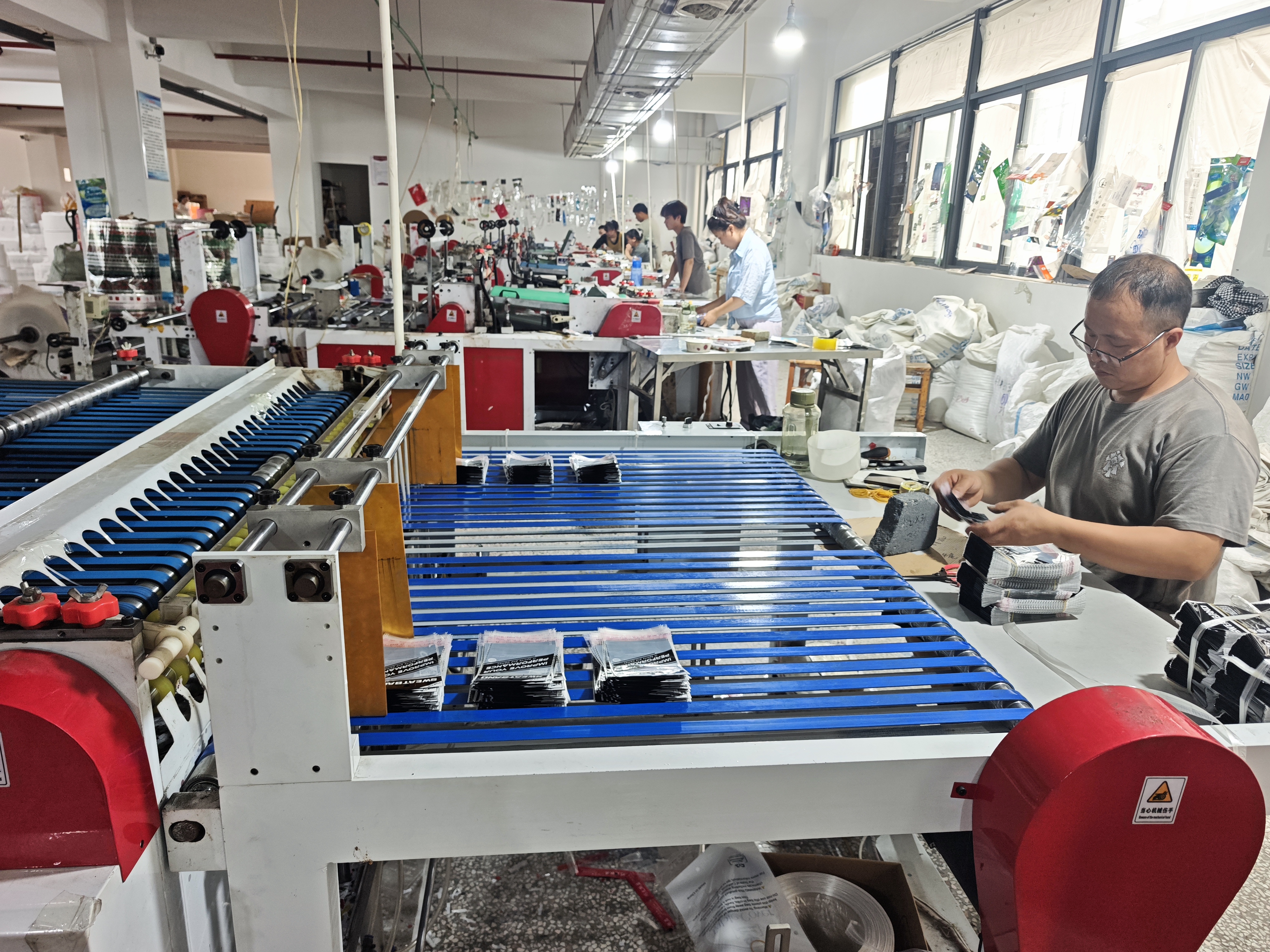
Quick answer: Leaking bags are almost never a film problem — they are a seal problem. A heat seal is created by three variables working together: temperature, pressure and dwell time. Change any one of them, or run the seal bar across a fold, a wrinkle, a printed area or a trace of powder, and the seal will be weak even though the bag looks perfect. Buyers should therefore specify and test four things: seal strength, seal integrity, burst resistance and seal-window tolerance. A supplier who can only quote a seal temperature, and cannot state the seal window, is quoting a number rather than a process.
How a heat seal actually forms
Heat sealing does not glue two films together. It melts the sealant layer — the inner PE or CPP surface — until the polymer chains on both sides interdiffuse, then holds pressure while the melt cools and re-crystallises into one continuous piece of plastic. Three parameters drive it:
- Temperature. Must be high enough to melt the sealant but low enough to avoid shrinking or burning the outer layer. The usable range between those two limits is called the seal window.
- Pressure. Forces molten surfaces into full contact and squeezes air out of the interface. Too little pressure leaves unbonded channels; too much squeezes the melt out of the seal and thins it.
- Dwell time. The time the jaw stays closed. Faster lines need higher temperature to compensate — which is exactly how a line that runs well at one speed starts leaking when it is sped up.
The practical consequence for buyers is important: a seal is a machine setting, not a product feature. Two factories can use identical film and produce bags with completely different leak rates. This is why the seal window, and not the seal temperature, belongs in a specification.
Seal types and closure systems compared
| Type | How it works | Best for | Limitations |
|---|---|---|---|
| Three-side seal | Three edges sealed, one open for filling | Sachets, snacks, nuts, hardware, samples | No resealability; single-use opening |
| Back seal / pillow | Film formed into a tube, one longitudinal seam | High-speed form-fill-seal, dried food, powders | Longitudinal seam is the usual leak point; needs centring control |
| Fin seal | Sealant-to-sealant seal, flanges folded outward | Strong, gas-tight packs | Consumes more film width; bulky flange |
| Lap seal | Sealant against the inside of the outer layer | Narrow film, space-limited lines | Weaker than fin seal; cannot seal PE to PET reliably |
| Press-to-close zipper | Extruded interlocking profile pressed shut | Sample bags, accessories, stationery, small parts | Not hermetic; not suitable where moisture ingress matters |
| Slider zipper | Same profile plus a sliding tab | Thicker bags needing easy repeated opening | Highest closure cost; extra handling in filling |
| Self-adhesive strip | Peel-and-seal tape on the flap | Poly mailers, courier parcels, returns | Single re-use; adhesive weakens with dust or cold |
| Drawstring | Ribbon or cord in a folded hem | Garments, gifts, travel kits | Purely a presentation closure — not a seal at all |
| Die-cut handle | Handle cut from the bag body | Retail, bakery, takeaway, promotions | Reduces the bag's load-bearing section; needs reinforcement |
One clarification worth flagging in any packaging conversation: a resealable bag is not a sealed bag. A zipper makes a bag convenient to reopen; the heat seals at the edges are what actually keep the product protected. If a product is moisture-sensitive, the closure decision and the barrier decision are separate and both must be answered.
The eight leak failure modes and their real causes
| What you see | What is usually happening | Where to look |
|---|---|---|
| Seal peels apart by hand along the middle | Seal is a "cold seal" — melt did not reach interdiffusion | Jaw temperature, worn heating element, short dwell, line speed increased after setup |
| Seal opens from one end only | Uneven jaw pressure or a tapered jaw | Jaw alignment, worn silicone rubber, pressure across the full seal length |
| Bag bursts at a corner during handling | Seal is stronger than the film and tears at the seal edge | Too high a temperature thins the seal; also sharp corner geometry in the tooling |
| Small leaks scattered across the seal | Contamination — powder, oil, crumbs or ink trapped in the seal area | Filling nozzle position, product dusting, seal area cleanliness |
| Leak exactly where film was folded | A wrinkle crossed the seal jaw, leaving a channel | Film tension and centring, guide rollers, roll-width matching |
| Leak beside the printed area | Ink in the seal zone changes the melt behaviour of the sealant | Artwork layout — keep print out of the seal area; or convert to a lap seal |
| Seal fine on day one, weak after storage | Adhesive or sealant ageing; plasticiser migration; seal was marginal to begin with | Repeat the seal test on aged samples, not just freshly made bags |
| Delamination of the laminate after sealing | Seal temperature too high for the adhesive system, or the wrong adhesive | Adhesive type, drying conditions in lamination, temperature above design limit |
Four tests that measure whether a bag will leak
- Seal strength (peel test). Cut a 25 mm-wide strip across the seal and pull it apart at a constant rate. The result is recorded in newtons per 25 mm. It tells you whether the seal is strong — but not whether it is tight.
- Seal integrity (dye penetration). Apply a coloured penetrant to one side of the seal and look for wicking. This finds the pinholes and channels that a peel test happily passes over. It is the single most useful test for thin channels caused by wrinkles or contamination.
- Burst / compression test. Inflate or compress the sealed bag until it fails and record the pressure at failure. This is the closest laboratory proxy for what happens when parcels are stacked in a container.
- Seal-window mapping. Seal the same film at a range of temperatures and dwell times, test each combination, and chart where it passes. The result is the seal window — the deliverable that lets a buyer audit a factory without standing next to the machine.
For food packaging, a vacuum-decay or headspace test is added to confirm that the pack as a whole holds. These tests are cheap to run and expensive to skip: a leak rate discovered in a container in a warehouse overseas costs far more than the test.
What to control on the production line
- Log the settings, not just the result. Temperature, pressure, dwell time and line speed should be recorded per order so a repeat order can be reproduced.
- Re-verify after any change. New film roll, new artwork, new line speed or a maintained machine all invalidate the previous seal setting.
- Keep the seal zone clear. Artwork must leave the seal band free of ink; print laid into the seal area is one of the most common causes of "mystery" leaks.
- Check film tension and centring. Wrinkles are a tension problem, and wrinkles become leak channels.
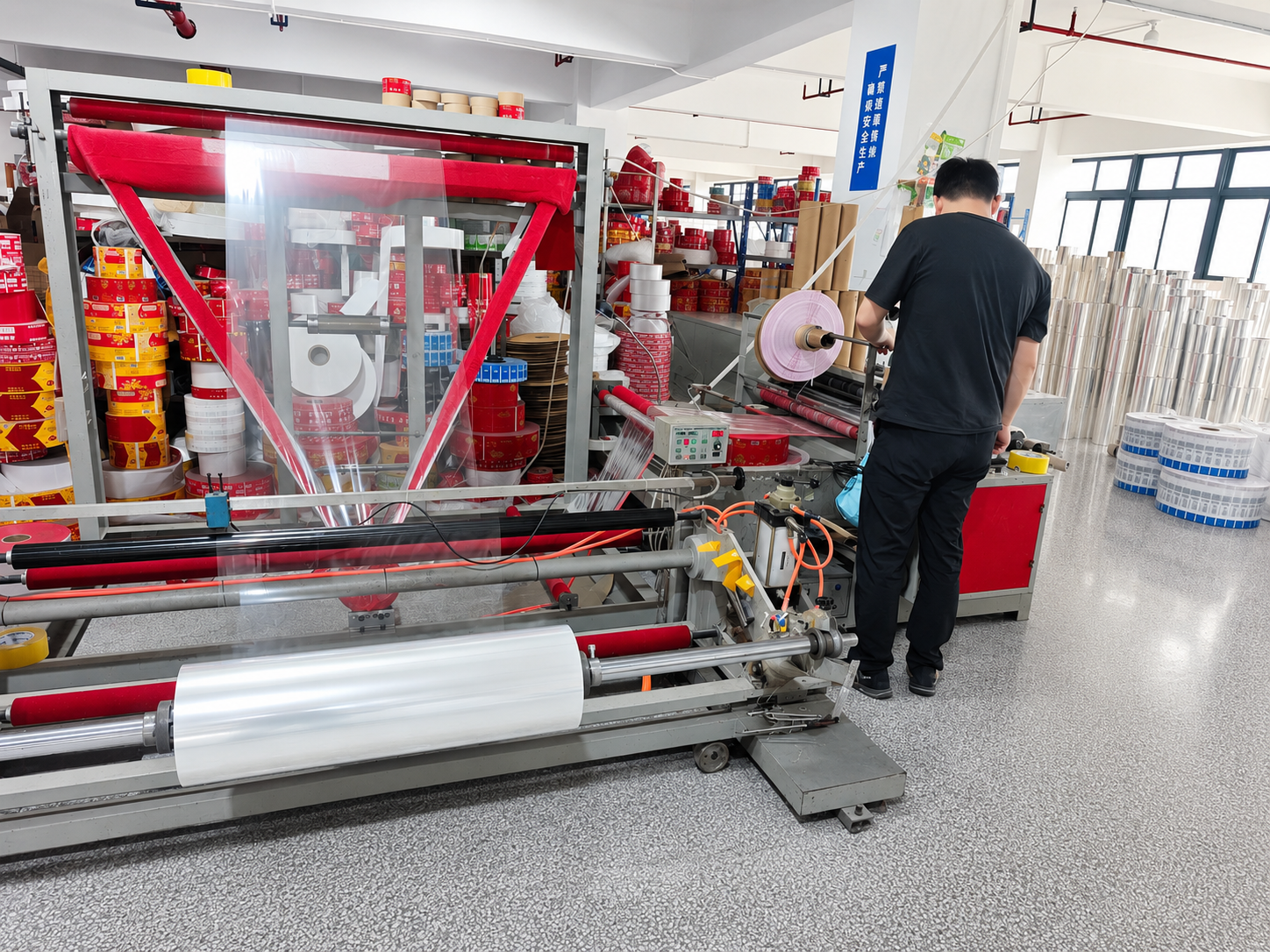
- Inspect at the bag-making stage and again after filling. At Dongyang Jinhe Packaging the production sequence runs from raw material cutting and bag forming through printing to finished product inspection and export packing, so the seal is checked while the bag is still in the factory's own hands.
How to write the seal requirement into a purchase order
A purchase order that will actually be honoured should contain six lines rather than one:
- Seal type — three-side, back seal, fin seal, or closure type where relevant.
- Seal width in millimetres, with a tolerance.
- Seal strength target in N/25 mm, with the test method named.
- Seal window — the temperature and dwell range within which the bag passes, as delivered by the factory.
- Integrity requirement — dye penetration pass/fail, or a stated leak rate for the batch.
- Sample approval — the signed sample that fixes both the film structure and the seal appearance.
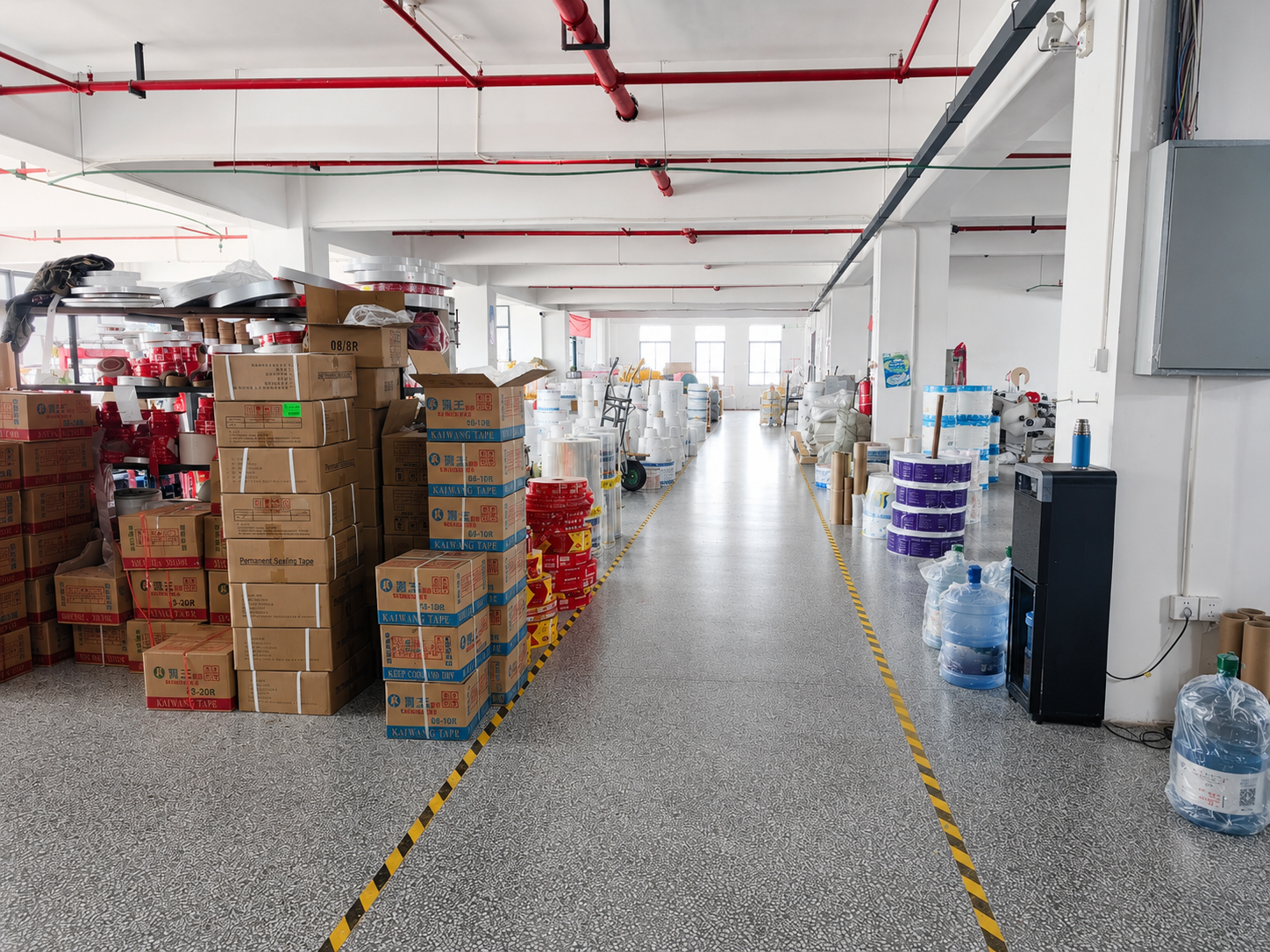
Write those six lines and most packaging disputes disappear, because both sides are measuring the same thing. Dongyang Jinhe Packaging has manufactured OPP bags, zipper bags, PE bags and food bags for 16 years and supplies buyers across Europe, America, the Middle East and South Asia. Send us your product, filling method and moisture requirement, and we will propose a seal type, run a sample and provide the seal window with it — a reply within 24 hours.